One of the key improvements we've made since the merger of Thrive Homes and Watford Community Housing to create Chime Housing is the introduction of our dedicated Healthy Homes Team.
Bringing together expertise and resources from across both organisations has enabled us to create a specialist team focused on helping customers live in safe, healthy homes.
The Healthy Homes Team helps us keep your home safe and healthy. As well as tackling damp and mould, the team investigates other housing hazards — problems in or around your home that could harm your health or safety. The Housing Health and Safety Rating System (HHSRS) is the government's system for assessing these risks.
You can read our HHSRS policy here.
On this page, you'll find information about the hazards we manage, how to report concerns, and how we'll respond.
What is Awaab’s Law?
Awaab’s Law was introduced to help make sure that social landlords investigate and address potential hazards within clear timescales.
The law was created following the tragic death of two-year-old Awaab Ishak in Rochdale, highlighting the importance of responding quickly to issues such as damp and mould, and taking action where hazards may pose a risk to customers in their homes.
We take all reports of potential hazards seriously and are committed to working with customers to resolve these issues.
What is a housing hazard?
A housing hazard is anything within a property that could harm your health, safety or wellbeing.
Some hazards can develop gradually over time, while others may require urgent attention. The sooner we know about a problem, the sooner we can investigate and take appropriate action.
The examples below show the types of problems to tell us about. You don’t need to identify the type or level of hazard yourself.
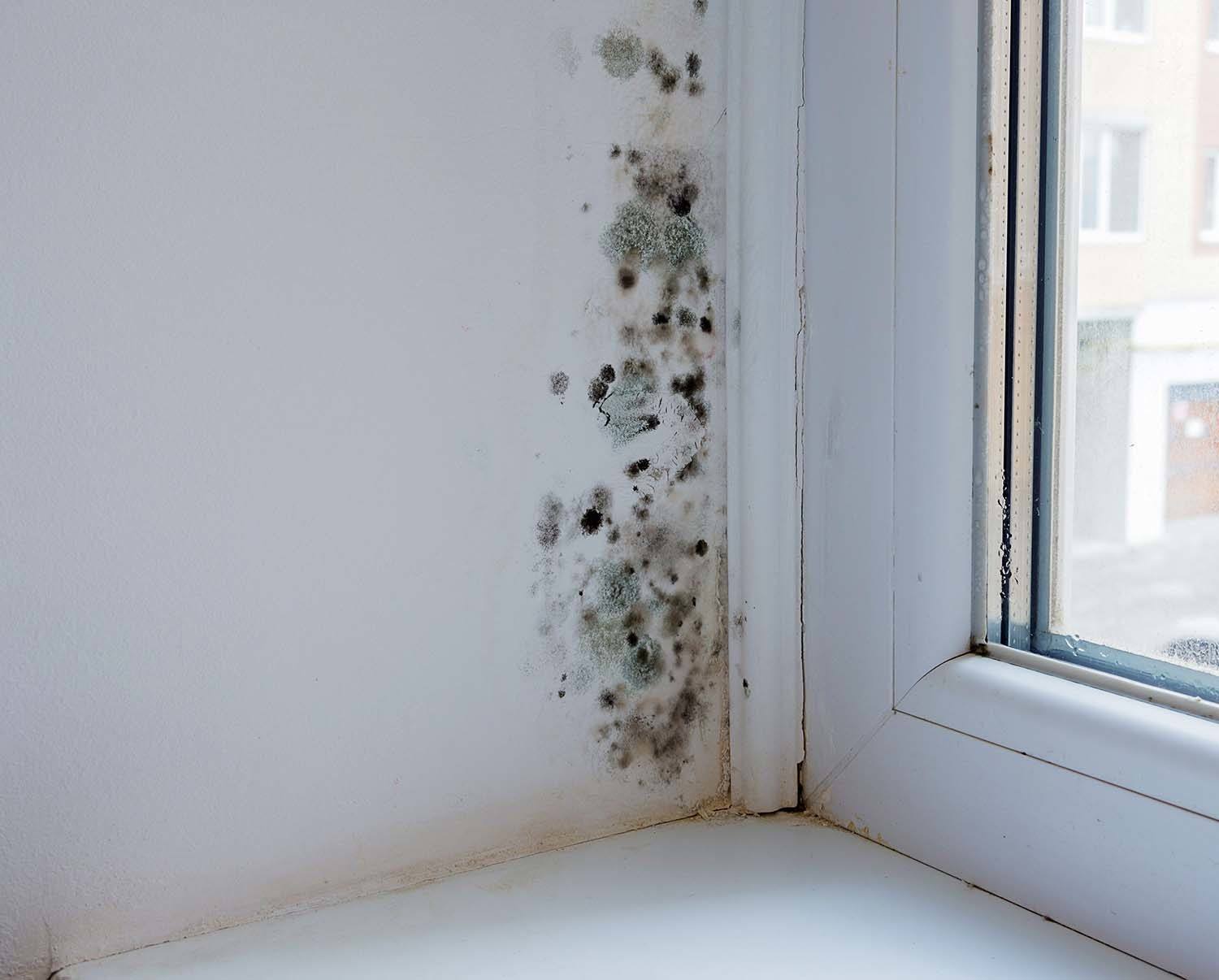
Damp and mould
Damp and mould can occur when excess moisture builds up in your home due to leaks, condensation, poor ventilation or other building defects.
Signs to look out for:
Black or green mould growth
Damp patches on walls or ceilings
Peeling wallpaper or paint
Musty smells
Persistent condensation on windows
Why is it important?
Damp and mould can affect your health, particularly if you have asthma, respiratory conditions, allergies, are elderly or have young children living in the home.

Excess cold
A home that cannot be heated effectively can become uncomfortably cold and may affect your health.
Signs to look out for:
Heating not working properly
No hot water
Draughty windows or doors
Rooms that do not warm up
Poor insulation
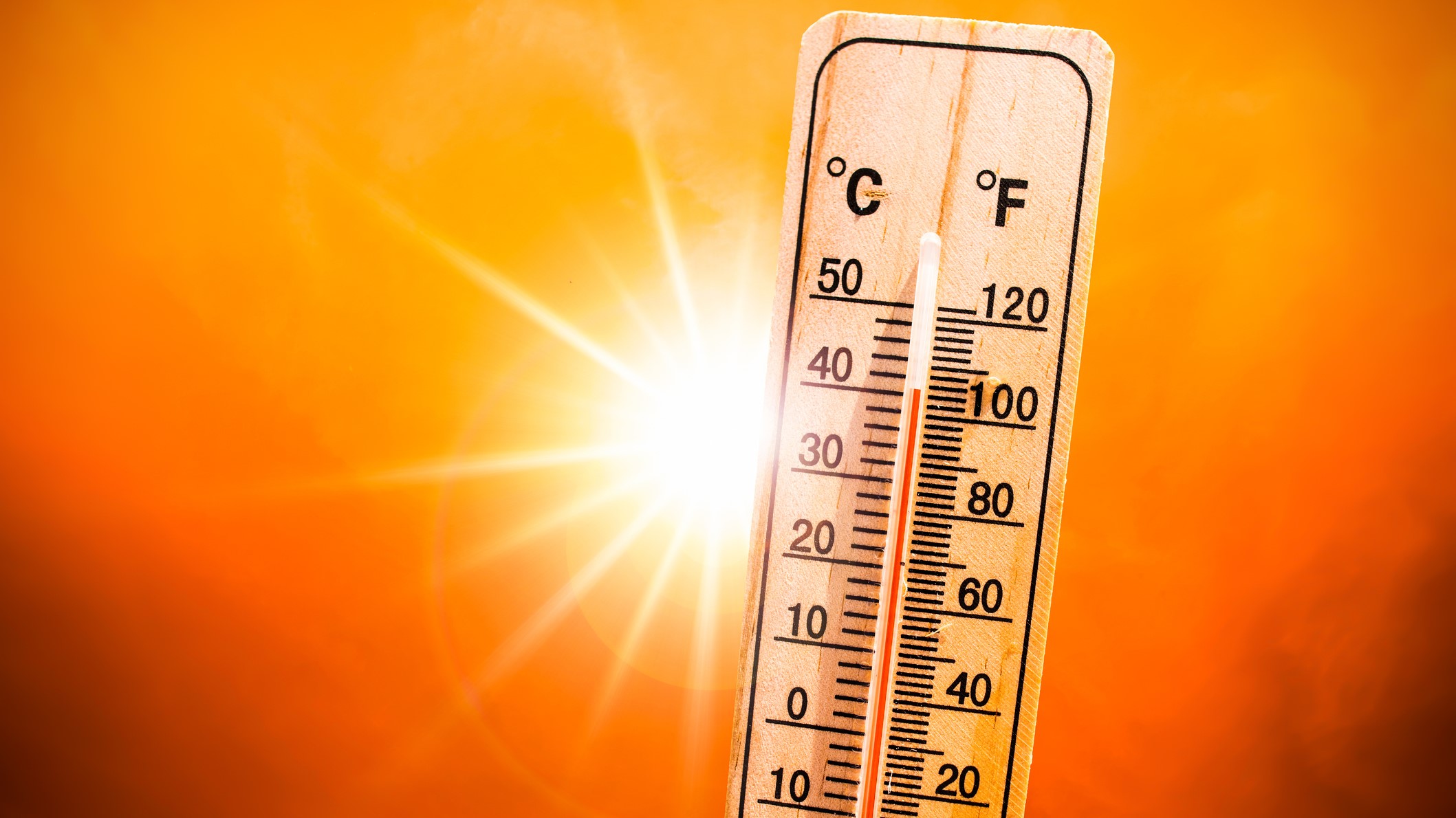
Excess heat
Some homes can become excessively hot, especially during warmer weather.
Signs to look out for:
Rooms regularly becoming uncomfortably hot
Lack of ventilation
Poor airflow or ventilation
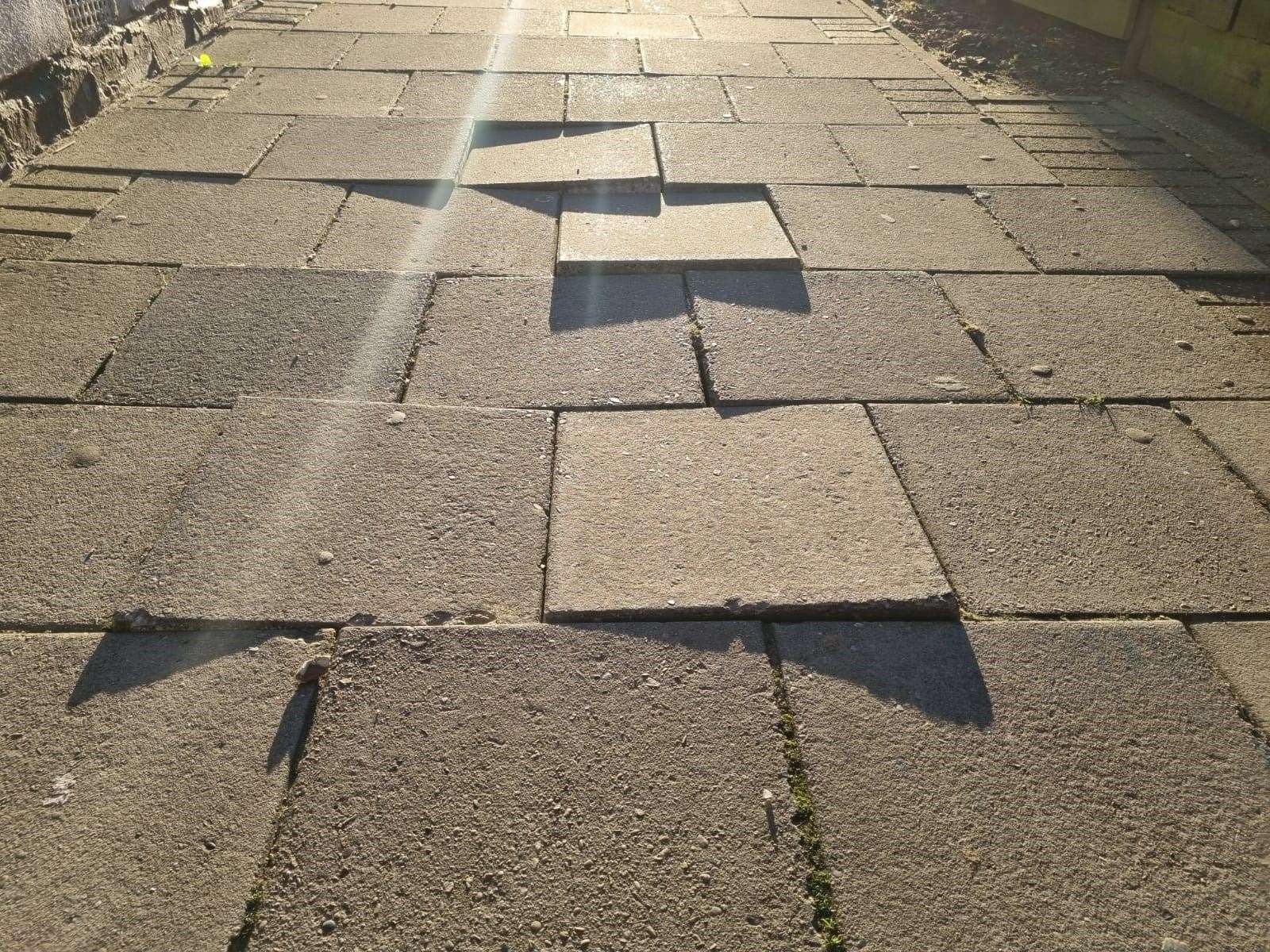
Falls
Falls can be caused by uneven flooring, damaged stairs, loose handrails or poor lighting.
Signs to look out for:
Uneven or broken paths
Damaged flooring or vinyl inside your home
Lose stair treads
Broken handrails
We deal with hazards on land we own and are responsible for. Some paths and paved areas outside your home are the responsibility of your local council. If the council is responsible for the area, please report the problem directly to them.
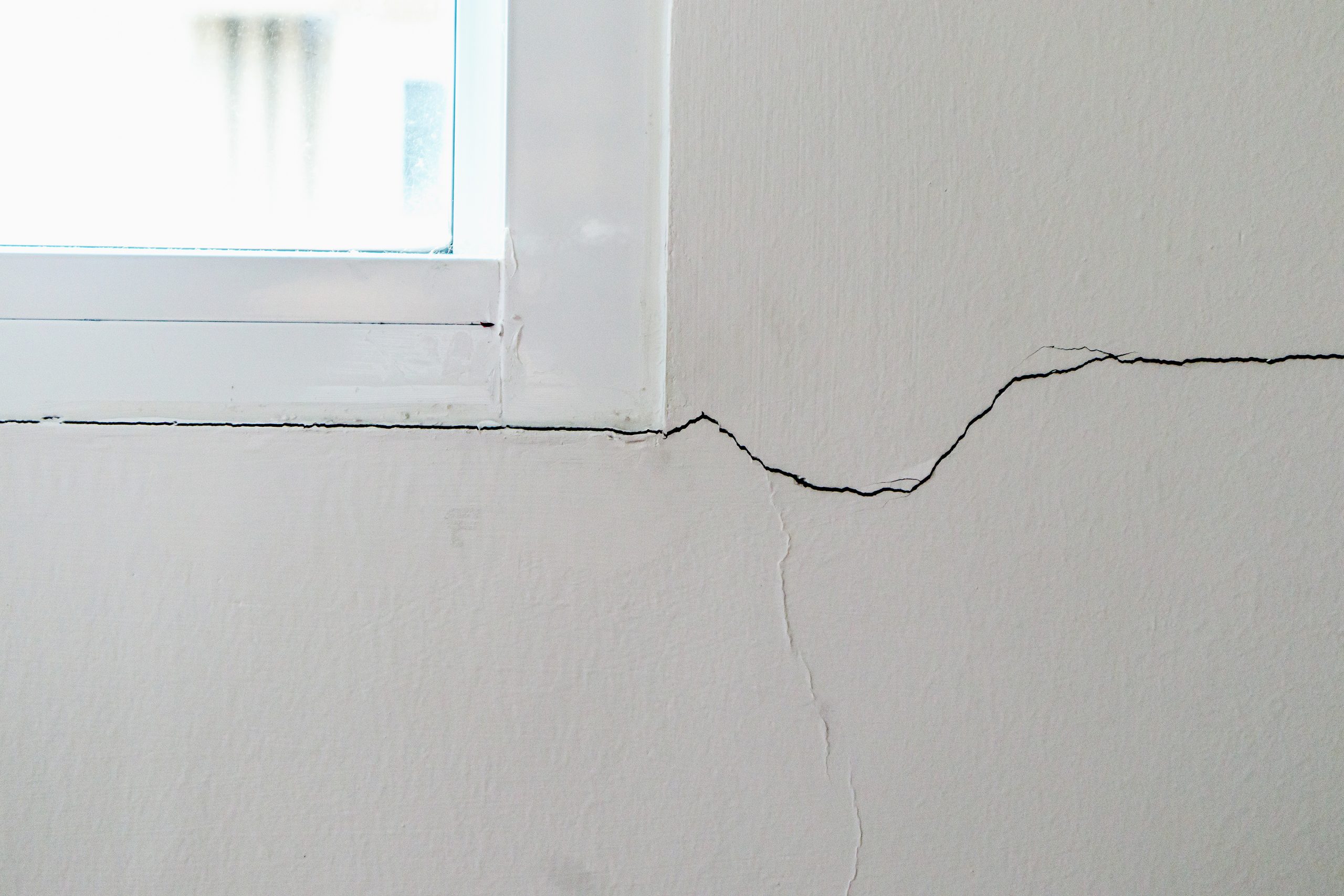
Structural collapse
Problems with the structure of a building can include damaged ceilings, loose building materials or unstable walls that could cause injury. Tell us if a problem appears to affect a shared part of the building or more than one home.
Signs to look out for:
Cracks appearing in walls or ceilings
Loose brickwork
Bulging walls
Bowing ceilings
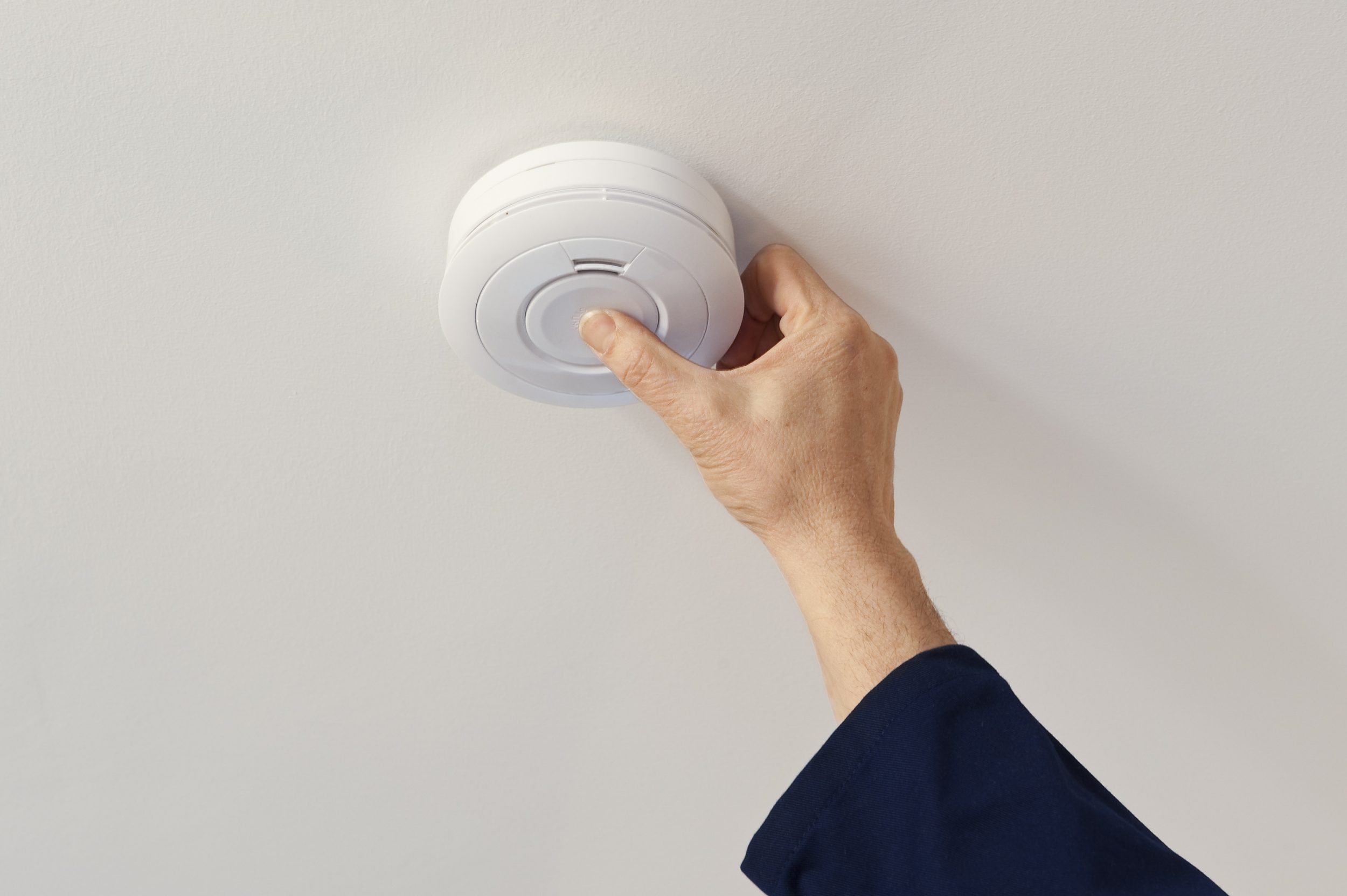
Fire and explosions
Fire hazards can arise from unsafe electrical systems, blocked escape routes or defective fire safety equipment.
Signs to look out for:
Missing or faulty smoke alarms
Damaged fire doors
Burnt electrical fittings
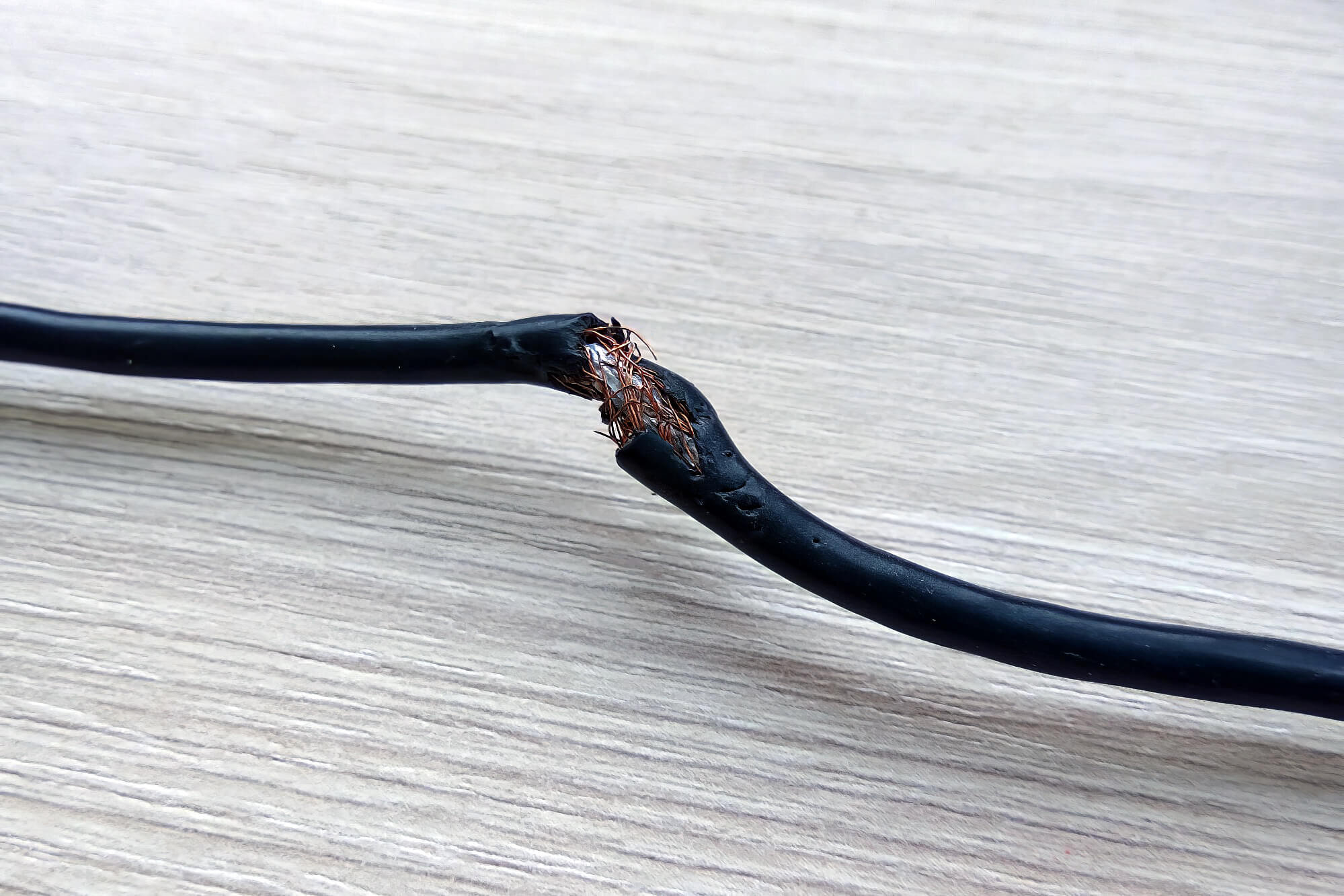
Electrical hazards
Electrical hazards can include faulty wiring, damaged sockets, broken fittings or other issues that create a risk of electric shock or fire.
Signs to look out for:
Burning smells
Scorch marks around sockets
Sparking sockets
Burning smells from electrical fittings
Damaged switches or plugs
Domestic hygiene
Conditions that make it difficult to keep the home hygienic and safe for everyday living.
Signs to look out for:
Blocked sinks or toilets, waste water backing up, or drains that are not working
Pest infestations linked to defects to the property
Lack of facilities to wash, clean or prepare food
What happens when you report a concern?
For some hazards, a surveyor visit may not be needed. Instead, we'll arrange for the appropriate operative to attend and carry out any work needed to resolve the issue. If further investigation or repairs are required, we'll let you know what we've found and explain the next steps.
We'll carry out the agreed work and keep you updated while any repairs remain outstanding.
In some cases, the issue may be resolved during the first visit.
If additional work is needed, we'll explain what needs to be done, any temporary measures that may be put in place, and when the work is expected to be completed. If timescales change, we'll let you know why and what will happen next.
How do I report a hazard?
If you think there may be a hazard in your home, please let us know as soon as possible.
You can report a concern by:
Calling us on 0800 218 2247
Emailing us at healthyhomes@chimehousing.org.uk
The sooner you tell us about an issue, the sooner we can investigate and take action if needed.
If the issue is affecting your health
When you contact us, please let us know if the issue is affecting the health or wellbeing of anyone in your household.
It's particularly important to tell us if someone in your home:
Is under five years old
Is pregnant
Is elderly
Has a respiratory condition, such as asthma
Has a long-term health condition or a weakened immune system
This helps us understand the impact of the issue and prioritise our response where necessary.
Our timescales
The time it takes to resolve an issue will depend on the type and severity of the hazard, but we'll always keep you informed throughout the process.
- We'll investigate the issue and arrange an inspection within 10 working days of receiving your report.
- We'll provide you with a written summary of our findings within 3 working days of the inspection.
- If we identify an immediate risk to your health or safety, we'll take steps to make the situation safe within 5 working days of the inspection.
- Any longer-term preventative work needed to resolve the issue will begin within 12 weeks of the inspection.
- We'll arrange for your home to be inspected within 24 hours of receiving your report.
- We'll take immediate action to make the situation safe within 24 hours.
- We'll provide you with a written summary of our findings within 3 working days of the inspection.
- If further work is required, we'll explain what needs to be done and when it will take place.
- We'll still investigate the issue within 20 working days.
- We'll provide you with a written summary of our findings within 3 working days of the inspection.
- Any repairs required will be completed in line with our standard repairs timescales.
Practical examples of hazards
Here are three examples of problems you might notice at home and what you can expect when you tell us. We’ll ask how the problem affects you and anyone you live with before deciding how urgently we need to act. The same problem can need a different response in another household.
You notice sparks coming from a socket and dark marks around it, and you’re worried it could cause a fire. When you report it, we’ll assess the risk and arrange for an electrician to make the situation safe within 24 hours.
If the electrician is able to fully resolve the issue during that visit, no further action will be needed.
If additional repairs or investigation are required, we'll write to you within 3 working days to explain what we found, what work is needed and when you can expect it to be completed.
You've noticed mice in your living area and are finding it difficult to relax, sleep or feel comfortable in your home. You may also be concerned about hygiene, particularly where mice are leaving droppings or coming into contact with surfaces.
Tell us where you've seen the mice and how often you're seeing them. We'll assess the risk and the impact it's having on you and your household. If we identify a significant hazard that does not require an emergency response, we'll investigate and arrange an inspection within 10 working days of your report.
Within 3 working days of the inspection, we'll write to you with our findings and explain any actions needed. If work is required to address the issue, we'll start making arrangements within 5 working days of the inspection and keep you updated until everything is resolved.
You can feel cold air coming in around a window, although your heating works and the room still warms up. You can report this to us even if you’re not sure how serious it is. We’ll ask how it affects you and your household.
If we find that it does not pose a significant or emergency risk, we’ll still investigate within 20 working days.
Within 3 working days of the inspection, we’ll send you a report explaining what we found. If a repair is needed, we’ll explain what happens next and carry it out within our standard repairs timescales.
Our commitment to a safe and healthy home
Our Housing Health and Safety Rating System (HHSRS) Policy explains how we assess risks in your home and respond to damp, mould and other housing hazards. The information on this page explains what that means for you, how to report a concern and what to expect next.
What to do if you're un-happy with how we've dealt with a hazard
If you are unhappy with how we have handled your report or repairs, you can use our complaints process. Work to deal with a hazard can continue while a complaint is being considered; you do not have to wait for the complaint outcome before that work can proceed.
We're here to help
We take all reports of housing hazards seriously and are committed to working with you to keep your home safe, healthy and comfortable. If you're worried about a potential hazard, please contact us as soon as possible.